
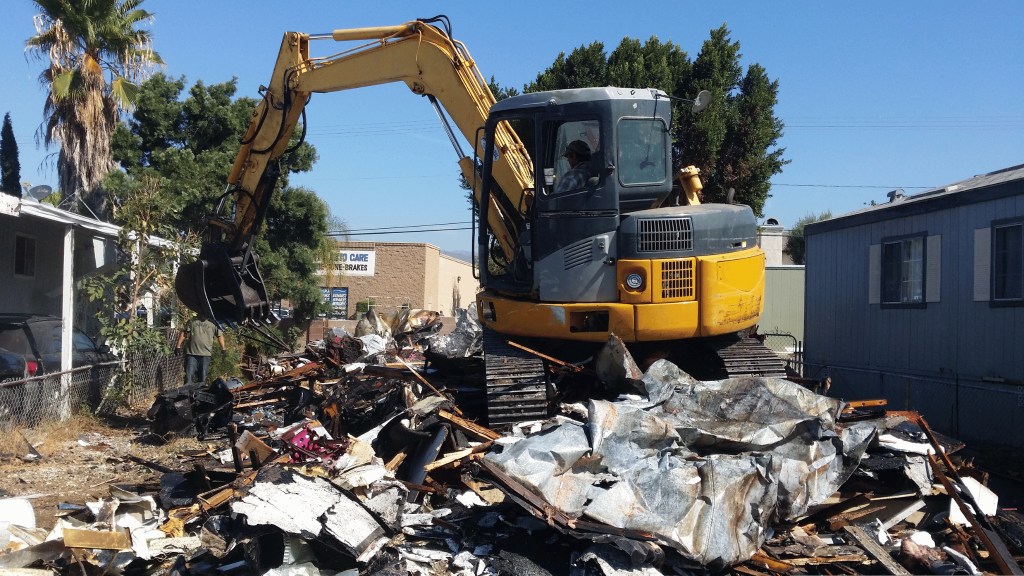
One of the most significant preliminary stages of any construction is excavation of a construction site. The land is excavated in the right way to be ready to receive foundations, utilities and other necessities. It entails excavation of earth and other materials to provide the perfect environment of construction. When constructing a house, business premises or any other buildings, it is important to know how to dig a site so that your project will be safe and successful.
Step 1: Site planning and preparation
It is important to plan the excavation process before you start excavating. Planning will help you be ready to face whatever risks can be encountered and the work will be carried out in an effective manner.
Get Permits and Clearances
Ensure that you have the permits and clearances to carry out any excavation by consulting local authorities before any excavation is carried out. Depending on the size and scope of the project you may require permits to dig and there might be zoning restrictions which you may have to take into consideration.
Survey of the Site
The site has to be surveyed carefully to determine the precise property lines, any impediments such as trees or buildings, and what the best excavation route will be. Surveying will also assist you to know the depth and slope of the excavation which is very necessary to the foundation of the building.
Location of Utility
Before excavating, you should identify the underground pipes such as water, gas, electrical and sewer lines. This will be important to prevent destruction of critical infrastructure and delays that will be costly. You may utilize the services of utility location or call local utility companies.
Soil Conditions Assessment
The nature of the soil and its nature will enable you to determine the type of excavating equipment you require. As an example, one could have soft soil that is easy to dig through, and rocky soil or clay-rich soil that would need more specialized equipment.
Step 2: Selection of Correct Equipment
The kind of machinery to be utilized in the excavation process will be based on the magnitude of the project, the nature of the soil as well as the accuracy demanded.
These are some of the most popular excavation tools:
Excavators
Excavators are multipurpose machines that are involved in digging, lifting and transporting earth. They are fitted with different attachments such as buckets, claws or hydraulic hammers, and they are suitable in different kinds of excavation. Excavators are particularly helpful in digging large quantities and they can dig deep.
Backhoes
Backhoes are smaller vehicles which can be used in both digging and lifting. They can be applied to smaller excavation works such as trenching utilities or foundation work. Backhoes are more maneuverable than large excavators and can operate in smaller areas.
Bulldozers
Bulldozers are some of the powerful machines that are used to shift a lot of earth. They are usually employed in grading and leveling of the land prior to excavation or after excavation. Bulldozers are excellent in cleaning up rubbish, moving dirt and making the site ready to do more building work.
Skid-Steer Loaders
Skid-steer loaders are small machines commonly applied in smaller excavation works or narrow areas. They are usually applied to excavate trenches, clear the debris, or relocate the soil at the site.
Trenchers
Trenchers are suitable in projects that involve deep and narrow trenches (such as utility installation). They are special machines that have a chain that digs a trench to a certain depth.
Step 3: Site Excavation
Having the equipment, you need and having planned the excavation, it is time to begin the actual digging. To have a safe and effective excavation, follow the steps.
Clear Area
The initial phase in the excavation process involves removing all the debris, trees, or vegetation on the site. This can be done by bulldozers or skid-steer loaders. Clearing of the site will make sure that there are no obstructions that may hinder excavation.
Indicate the Boundaries of the Excavations
After clearing the site, you can mark the excavation boundary using the plans or survey findings. The areas to be dug can be clearly marked using stakes, string lines or spray paint. Marking correctly will mean that you are digging in the right place and you do not cause any accidental damage to any adjacent buildings or utilities.
Get Digging
Get the excavator or the backhoe to start the excavation. In the case of large areas, begin with the mass removal of soil and earth. To do more accurate work, i.e. digging foundations or trenches, use the bucket or blade on the machine to make the surface even. Do small portions of work, particularly when you have a machine such as a backhoe or a skid-steer loader.
When you are excavating a foundation, you should dig to the right depth according to the design plans. Its depth will be determined by the nature of soil, the size of the building and nature of the foundation to be laid.
Soil Conditions Monitoring
When digging in the ground, watch the soil. In case the soil is very soft or loose, then it can result in collapse of the sides of the excavation. In case you are faced with hard or rocky soil, you might require shifting to stronger machines such as a hydraulic hammer in order to break the material.
Stability Check
During the course of the excavation, examine the walls of the excavation to see whether they are unstable or slumped. When the soil starts to slip, there might be need to prop up the sides to avoid a collapse using timber or any other material. This is particularly crucial to deep excavations.
Utility Excavation
When you are putting utilities such as water, electricity or gas lines, dig trenches to the necessary depth and width. It is important that you adhere to the local building codes and utility regulations to make sure that all is installed properly.