
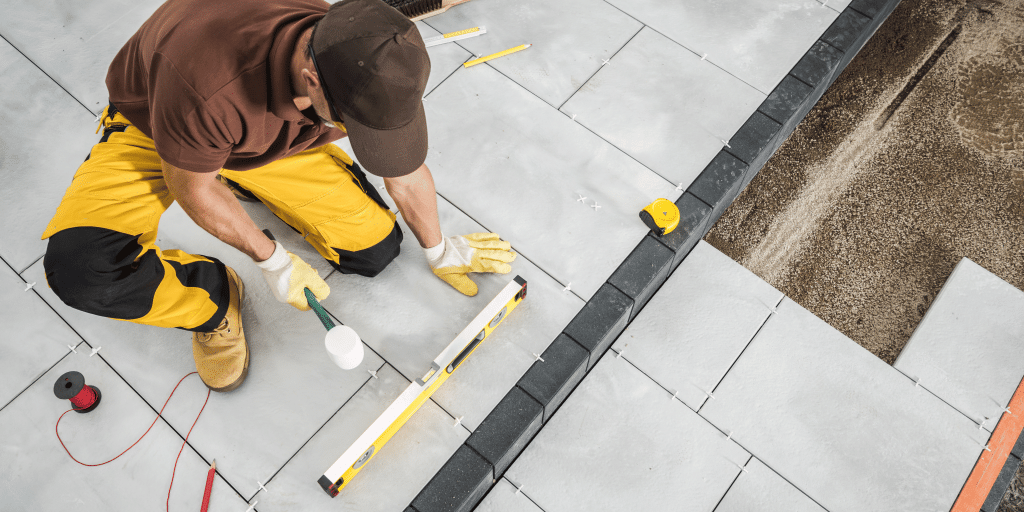
Paving edging makes it simple to create a seamless look in the transition areas between your garden and paved surfaces, like paths and patios. The quality and beauty of general landscaping are significantly influenced by its dual role, serving both commercial and aesthetic purposes. It’s useful for keeping gravel or mulch in place, creating paths, pathways, and walkways, while also enhancing the professional appearance of outdoor areas. This guide focuses on outlining the essential steps for installing paving edging, making it a valuable resource for all readers.
Understanding Paving Edging
Paving edging is most commonly employed to divide the various regions that are present in a landscape, like garden, lawn, or paved trail. Generally, it may be manufactured from metals, plastics, stones, and different types of wood, among other materials. The type of material depends on the kind of fashion statement and vibe you wish to attain, as well as what your budget is.

Choosing the Right Material
Metal Edging
Metal edging that is made from aluminum or steel is attractive, firm, and provides a straight line.
Plastic Edging
This kind of edging is flexible, meaning that it is suitable for curves primarily because it’s more bendable. It is quite portable and also easy to fix, but it is not as strong as the metal varieties.
Stone or Brick Edging
Using a natural material like stone or brick can enhance the edges of the embankment. These blocks offer versatility as they can be utilized in either mortared or dry-stacked applications. Most of them feature a timeless aesthetic that enhances the beauty of constructed landscapes.
Wood Edging
Wood edging is also beautiful offering a touch of the countryside. It may be trimmed to provide a good fit to the specifics of the landscaping design. However, it may take more effort and work to ensure that such materials do not develop fungus and rot or decay.
Preparing for Installation
Planning Your Layout
When it comes to the installation of edging, always do it after planning your landscape layout. Take the measurement of the area that you intend to put the edging and then choose the type of material to be used. Some factors that one should consider include the level of durability that is desired and the appearance you wish to have.
Clearing the Area
Clear out all the turf grass, weeds, and debris that are found in the area where you intend to place the edging material. Make sure that the area is a flat, even surface for the edging to be placed on.
Marking the Edging Line
Place a string line or chalk to indicate where the edging is to be positioned. It will be used during installation to achieve straight lines during the process.
Installing the Paving Edging
Digging the Trench
Using a spade or a trenching tool, you need to dig a trench along the drawn line. Remember that the trench needs to be three to four inches deep and two to three inches wide, depending on the type of edging you plan to use. Ensure that you stake the ground accurately and maintain the trench at the appropriate level while keeping it straight.
Laying the Edging
Put the selected edging material into the prepared trench. When using metal and stone edging, it is important that the pieces lie in the right direction. If you decide on the use of the plastic or flexible edging, you should use a gentle force and curve it so that it follows the design of the landscape.
Securing the Edging
Afterwards, prepare the trench with soil and compact it around the edging to hold it down properly. For enhanced security, landscape pins or spikes should be used when dealing with malleable materials.
Adding Finishing Touches
Finally, slightly compact the soil around the edges of the paving to prevent it from slipping around. Don’t forget to add other elements, such as gravel or mulch, to enhance the beauty and functionality of your landscaped area.
Maintaining Your Paving Edging
Properly maintain your paving edging so that it serves its purpose and retains a beautiful appearance. You should check your edging during times when there are storms or inclement weather. Make sure the soil is compacted again, if necessary, and replace those portions that may have gotten damaged.
Paving edging installation is a simple method that offers beauty and efficiency to your outdoor areas. With the right material and by following these steps, you should be able to perform this task effectively so that it will last for years with proper maintenance.