
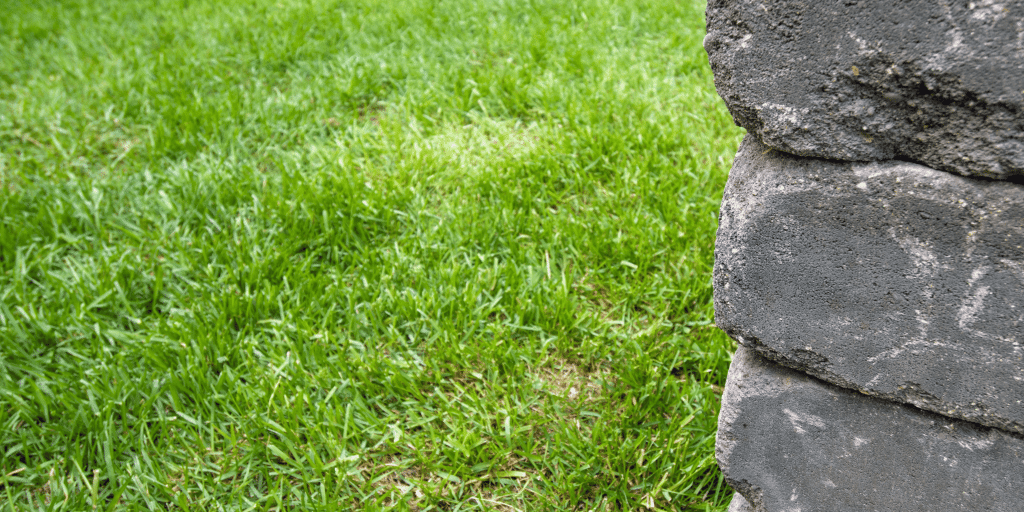
Arranging paving stones on your lawn significantly transforms the appearance of your yard while also creating a functional pathway or patio space. This approach allows for the natural look of grass while serving as a practical pathway. This article offers a straightforward process for installing paving stones over grass.
Materials and Tools Needed
First, gather all the necessary materials and equipment to boost the efficiency of your installation process.

Here’s what you’ll require:
- Paving Stones
- Edging Material
- Gravel or Sand
- String and Stakes
- Utility Knife or Shovel
- Level and Rubber Mallet
- Tamper or Plate Compactor
- Spray Paint
- Work Gloves
- Measuring Tape
Step 1: Planning and Preparation
Choose the Spot for Your Pathway or Patio: Select the area for the pathway or decide where you want your patio. Several factors should be taken into account, such as the likelihood of high foot traffic, the location in relation to surrounding buildings, and the design of the land itself.
Begin by Marking the Outline: Start by using a string and stakes to effectively delineate the pathway. Using spray paint will provide sharper lines. This step will help you visualize the project and make any necessary adjustments before diving into the work.
Prepare Your Space: Remove any items that might be present in the designated area, such as large stones, clumps of grass, or uneven patches. A flat surface is crucial for installation, so it’s essential to level any slopes.
Step 2: Install Edging
Place the Edging: The edging material should be carefully positioned along the set outline. This process is crucial as it guarantees that the paving stones are firmly secured, preventing them from sinking into the ground, particularly in grassy areas.
Secure The Edging: When installing the edging, make sure to drive the stakes firmly into the ground and tighten them properly. Ensure that it is level with the ground surface along the intended path for placement.
Trimming the Grass: It is important that the grass is neatly trimmed along the edges of your landscaping strips. You can achieve this by using a utility knife or shovel to carefully cut the grass in this area. This will allow the stones to rest evenly on the edging, enhancing its overall appearance.
Step 3: Lay the Base
Install the Edging: To install the edging, start by placing gravel or sand at the bottom of the area within the edging, ensuring it’s about 2-3 cm deep. Typically, it’s recommended to have around 2-3 inches extending beyond the original cover. This acts as a foundation while also providing a drainage system to prevent the stones from shifting or sinking.
Level and Compartment: Make sure that the foundation for your shed is completely flat, free from any slopes or depressions. This step is essential for a stable and sturdy structure. Next, use a tamper or plate compactor to compact the gravel or sand. Execute this step correctly to establish a solid foundation.
Step 4: Arrange the Paving Stones
Lay the Stones: Before permanently burying the stones, take the time to arrange them in place. This step is necessary for figuring out the best layout for your edging project. It allows for adjustments to be made to the size and shape of the design, ensuring a harmonious outcome.
Leave Gaps: When arranging the stones, it’s important to leave some gaps in between. This allows the grass to grow freely through, and these gaps should be about one-quarter inch wide—not too large or wide. This section will also inhibit ground movement due to the spaces present between the blocks.
Step 5: Install the Stones
Level the Stones: Make sure to use the right level to verify that each stone is aligned evenly with its neighbors.
Set Stones: As a finishing touch, if needed, gently tap the stones into the surface with a rubber mallet to ensure they are securely fixed and positioned correctly.

Step 6: Fill the Gaps
Grass or Sand Filling: For filling the gaps between the stones, consider using a blend of sand and grass seed, or simply opt for sand alone. This will create openings for grass to flourish, resulting in a more organic look.
Water the Area: Gently water the area to encourage the grass seed to germinate and help the sand settle properly.
Step 7: Final Touches
Check the Path: Assess the pathway and take note if it is smooth. Look for any stones that might be unevenly placed along the way. Make adjustments as needed.
Trim the Edging: Additionally, if grass has started to grow through these gaps, it may lead to some overgrowth on the turf, making a regular trim necessary.
Maintenance: Regularly check that stones haven’t shifted on the pathway, as they might need some adjustments every now and then. The sand layer needs to be refreshed regularly for an appealing look.