
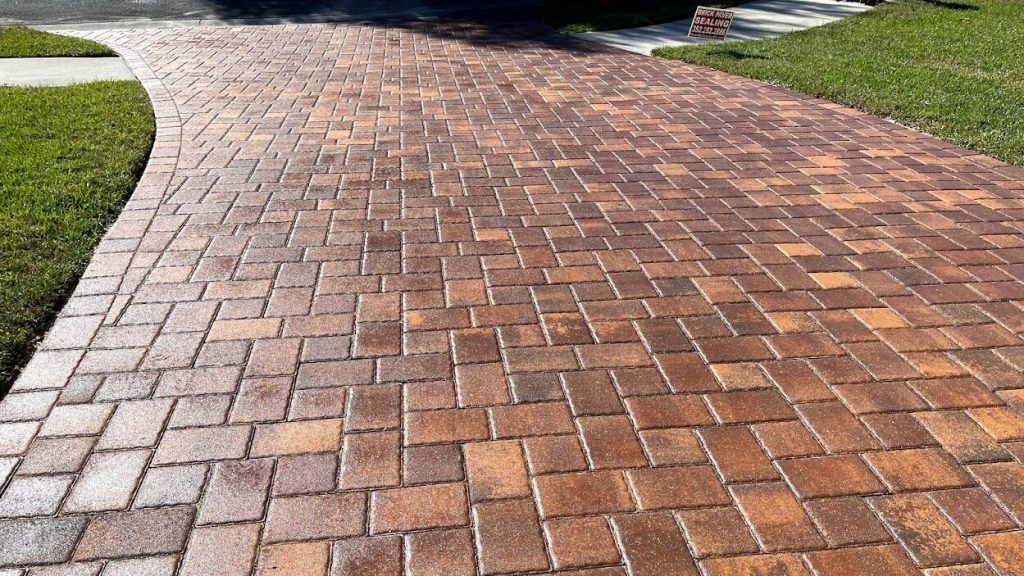
Sealing your paving is an important procedure that will help the paving increase its lifespan, enhance its looks, and also shelter it from harm, such as damage from bad weather, staining, or any other cause. Essentially, sealing is an important process to undergo whether you have a driveway, patio, or pathway of stone pavers. This blog will help you to achieve professional looking paving.
Understanding the Importance of Sealing Paving
Sealing protects the surface from exposure to water and prevents the development of various hazards, including oil, gas, and ultraviolet light. It simplifies the cleaning process and can enhance the natural color of the paving stones. Often, unsealed paving can lead to issues such as staining, cracking, and fading, over time.
Choosing the Right Sealant
The first decision when paving is choosing the right sealant to use. In particular, there are two groups of sealants namely, water-based and solvent-based.
Water-Based Sealants
These are eco-friendly and have the least likelihood of emitting a chemical smell when applied on surfaces. They are simple to apply and the application does not require any professional help, as they are easy to wash and clean; water-based sealants are often preferred by people who carry out their own home improvement projects. It is important to note that this type of sealant may require more applications than solvent-based sealants.

Solvent-Based Sealants
Solvent-based sealants have the advantage of providing a superior finish. They have a tendency to make paving appear slightly darker, which adds to its beauty. These sealants often give off a stronger smell.
Preparing Your Paving
Take these measures to ensure that there are no flaws when sealing. Proper preparation is important.
Before applying sealers to your paving, you should ensure you heed the following recommendations:
Cleaning
Begin by washing all the paving that you have. Scrape off excess dirt and clean the surface by washing it with high pressure water; this should take care of the old sealant surfaces. Ensure that the pressure setting of the machine is moderate in order to prevent cracking of the paving stones. In case it rains or is humid, it is advisable to wait until the area dries before applying the sealant.
Repairing Cracks and Damages
Check for any signs of crack lines, damages or in general, deterioration. Prime the surface, and use a suitable filler to repair small cracks and to level the surface. Some of the issues may call for professional intervention since they could be complicated in nature. If corrosion is a problem, this may result in poor adherence of the sealant.
Applying the Sealant
Once your paving is clean and dry, you may apply the sealant.
Here’s a step-by-step guide:
Safety First
As a precaution, gloves, goggles, and a mask should be used to reduce the effects of any solvent-based sealant. Make sure you have a sufficient supply of fresh air in the area to help prevent or minimize inhalation of the chemical vapors.
Mixing and Applying
If the sealant has to be mixed before use, it should be poured into a roller pan or bucket first. For broad surfaces, rollers are more suitable while for corners and narrow spaces, brushes should be used.
Rolling Method
Roll the roller in in the sealant so that it is evenly coated. Apply the sealant onto the paving in small sections at a time. There should be slight overlap of each pass to make sure all the surface has been covered.
Brushing Method
With this method, use the brush to apply the sealant to areas with narrow joints or corners. Brushes will be more accurate and ensure that all parts of the paving have been touched or covered.

Even Coverage
This process needs to be carried out methodically from one specific point to the other, across the entire area. Maintain a moist environment to reduce the chances of lap marks forming on the sealant, as it has a tendency to dry unevenly in certain areas. When dealing with narrow sections, it’s important to apply the sealant to the wet edge next to the sealed area.
Curing and Maintenance
Once the sealant is applied, a certain amount of time is needed for it to set or cure properly. The duration of this process can range from several days to weeks, influenced by the type of sealant chosen and the prevailing weather conditions. Avoid placing any weight on the sealed area for at least 24 hours on standard roads, or for longer on heavy duty surfaces. When curing, it’s essential to follow the specific manufacturer’s instructions, but generally, the process takes about a week.
Regular Maintenance
Sealing done on your paving is not a one-time process. It is necessary to constantly maintain the sealant if the life of the paving is to be prolonged.
Here are some tips:
Local Traffic and Weather Conditions: To ensure that new pavements remain in good condition, residents are advised to reseal every two to three years.
Weeding: Use a soft brush to clean the paving using water and a soft detergent to eliminate dirt and weeds.
Inspect Paving: Have your paving inspected at least once a year, and carry out repairs as soon as any problem occurs.