

Chip seal is a practical and cost-effective method often used to maintain existing roads and highways. It involves applying a binder layer, followed by a top layer of aggregate chips. This process creates a smooth surface that improves road safety and enhances the road’s appearance. Chip seal is commonly used on low to medium-traffic roads, parking lots, driveways, and similar areas. In this article, we will explore what chip seal paving is and why it’s considered an important road rehabilitation method.
Understanding Chip Seal Paving
What is Chip Seal?
Chip seal, also known as tar and chip or asphalt seal coat, is a technique where a layer of hot asphalt emulsion or newly produced asphalt binder is applied on a pavement surface. As soon as this layer has been applied, a layer of crushed stone or aggregate is then placed above the binder. These stones are then compressed, together with the wet binder, making a dense and coarse finish.
The Components of Chip Seal Paving
1. Chipseal: The binder used for the coating process is commonly referred as the asphalt binder. The binder also can be asphalt emulsion or liquid asphalt. The binder is made to melt and is then applied to the road via a spraying mechanism.
2. Coarse Gravel: This is made of crushed stone or gravel and is spread over the binder layer. Both pit run and crushed rock aggregates are generally composed of limestone, granite, or other strong and stable rock which meets requirements.
3. Tack Coat: This is a thin layer of emulsion that is sprayed on the road surface before application of chip seal. It also helps in ensuring that the asphalt binder and the existing pavement surfaces will bond correctly.
Benefits of Chip Seal Paving
Chip seal paved roads have so many merits, and they are very common in road maintenance due to the following reasons:
1. Cost-Effective: It is less expensive to undertake chip sealing than to use asphalt overlays or concrete paving for road construction. This makes it economical especially to the municipalities and contractors, who wish to maintain the quality of the roads at a low cost.
2. Extends Pavement Life: This prevents water infiltration and oxidation, which are two major factors that causes the deterioration of the pavement; hence, the chip seal prolongs the life of the pavement. This effectively extends the lifespan of the road surface.
3. Better Safety: The use of aggregate leads to a rough surface of the paved area which helps in traction of the vehicles, thus reducing skidding in the areas, especially on a wet surface.
4. Versatility: This method is versatile because it can be done on asphalt, concrete, and even on dirt roads, hence making it flexible in terms of surfaces that can be paved.
5. Aesthetic Benefits: Chip seal enhances roads to a classy look like that it has been coated or finished. The final aspect is to decide the type of aggregate color that can improve the appearance of the roadway.
The Chip Seal Process
The process of chip seal paving requires a number of stages to ensure completion of a proper job:
Surface Preparation
First step is preparing the surface of the pavement by sweeping off any material that might have accumulated, like debris, dirt, and any other material that may not bond well. An industrial broom or high-powered washer is typically used in this case. This is important in the execution of the chip seal project because lateral movement is sampled, and if tainted, it cannot bond fully.
Tack Coat Application
After that, the surface should be cleaned, and once it is dry, the tack coat will be laid. The machinery will spread a thin layer of asphalt emulsion over the road’s surface at a thickness of about 5mm. The tack coat plays the role of an adhesive whereby the asphalt paving and the aggregate will have a strong bond with the existing pavement.
Asphalt Binder Application
The asphalt binder is heated to the right temperature and later placed on the worn-out road surface uniformly. This layer must then be applied before the aggregate starts to harden.
Aggregate Spreading
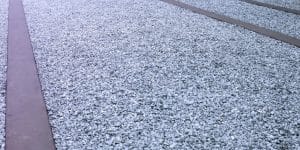
Upon applying the binder immediately, the aggregate is distributed on the surface successfully. The rate at which this is done is very important; the binder starts setting as soon as it comes into contact with the aggregate and while it is still sticky, it has to be compacted.
Compaction
Specialized machines are used in compaction of the aggregate into the binder. This important step guarantees that the stones are fixed well as to form a strong and lasting surface. Adequate compaction of chipping stones is necessary to ensure that it has the right texture and strength.
Maintenance and Care
The following maintenance practices can be taken after applying the chip seal:
1. Reduce Traffic Loading: Immediately, after the road has been sealed, it is recommended that only light traffic should pass on the road to enable the binder to set well.
2. Maintenance: This includes periodically checking for signs of weakness or wear on the surface of the chip seal.
3. Long Term Maintenance: In case of formation of potholes or small cracks, they should be sealed as soon as possible to avoid rainwater seeping into the surface.