
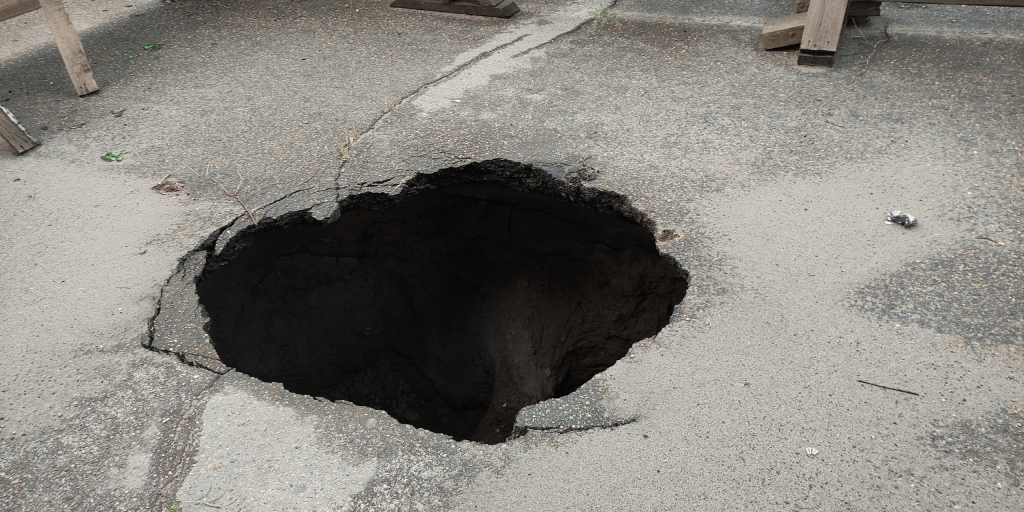
A broken asphalt driveway can be annoying, particularly when huge holes are formed after some time. Such potholes are not only unsightly, but also may cause damage to vehicles, and pose a safety risk to users.
The positive thing is that the process of replacing huge holes in an asphalt driveway is a DIY task that can be handled with ease provided that you observe the right procedures and apply the appropriate materials. This will be your step-by-step guide to all you need to know.
Understanding the Problem
It is necessary to know the reasons why large holes occur in asphalt driveways before rushing into the repair process.
Causes of Large Holes in Asphalt
Water Damage: The water creeps into cracks, freezes and expands, tearing the asphalt apart.
Heavy Traffic: The active use of large vehicles may cause the surface to be weakened.
Aging Asphalt: Over the course of time, the asphalt becomes brittle, as well as loses its flexibility.
Weak Installation: Driveways that are improperly installed can form holes at an earlier time.
Determining the source of the damage assists you to avoid the issues in the future.
Tools and Materials You Will Need
The availability of the proper equipment facilitates the repair process.
Here’s what you’ll need:
- Asphalt patching compound (cold/hot mix)
- Tamper or hand compactor
- Shovel and rake
- Broom or stiff brush
- Pressure washer or garden hose.
- Asphalt sealer (not mandatory, to finish off)
- Working equipment (gloves, safety glasses, work boots)
Tip: DIY repairs are more convenient with cold mix asphalt and it is suitable in small and medium-sized holes. Hot mix asphalt can be used to offer a more lasting solution in case of large holes or severe damage, but this normally involves professional assistance.
Step-by-Step Guide to Repairing Large Holes
Repairing large holes in your asphalt driveway involves a few critical steps. Follow them carefully for long-lasting results.
Clean the Area
Start by cleaning the damaged area thoroughly:
- Clear loose debris, dirt and broken asphalt with the help of the brush or broom.
- Cleanse the place with water to get dust, grease, and dirt. It is necessary to have a clean surface to allow adhesion of the patching material.
- But do not proceed till the place is completely dry.
Prepare the Hole
Prior to adopting new asphalt, it is important to shape the hole so that the repair will take place:
- Take a shovel and cut ragged edges and cut down the sides a bit. This forms a vertical advantage which assists the patch to stick.
- Get any standing water or loose earth out of the bottom.
Note: The bottom of the hole must be a little larger than the top. This method of keying inhibits patch dislodging.
Apply Asphalt Patch
Now it’s time to fill the hole:
- Pour the patching asphalt compound into the hole.
- Shovel or rake evenly and slightly fill the hole.
- Asphalt can easily compress and thus, overfilling provides a smooth finish.
Compact the Asphalt
To be durable, it is necessary to be compacted properly:
- Tamper or hand compactor asphalt down.
- Ensure that it is flat with its adjacent driveway.
- Add a small bit more asphalt and beat down again, when needed.
Note: Compaction is the most important. Asphalt which is not properly compacted may disintegrate easily due to traffic.
Seal the Repaired Area (Optional but Recommended)
Sealing your driveway after repairs adds an extra layer of protection:
- Coat the area that has been repaired with a thin coating of asphalt sealer.
- Allow to dry following the instructions of the manufacturer.
- Sealing prevents water penetration, UV damage and automobile wear.
Tips for Long-Lasting Repairs
Repairing large holes is just the first step. To extend the life of your driveway, consider these tips:
Address Cracks Early: Small cracks may develop into big holes when not taken care of. Stuff them immediately with crack filler.
Frequent Cleaning: To avoid the accumulation of water, the leaves, dirt, and debris should be cleaned on a regular basis.
Proper Drainage: Water should not be allowed to stagnate in your driveway because this will cause damage in the future.
Limit Heavy loads: Do not park heavy trucks or equipment in a single place over a long time.
When to Call a Professional
While DIY repairs are effective for many large holes, some situations require professional help:
- Above 3 feet and below 6 inches in diameter.
- Considerable destruction over the driveway.
- Poor sub-base or drainage problems.
- Delays in clearing water pools following repair.
The availability of hot mix asphalt and specialized equipment to the professionals means a longer repair.
Costs and Materials
The cost to know is to plan your repair:
Cold Patch Asphalt: $3-5/50lb. bag (approximately 0.5 cubic feet)
Hot Mix Asphalt: This costs between $100 and 200 per ton (professional installation is normally required)
Tools: $20-50 depending on the basic hand tools in case you do not have them.
Repairs that can be done by yourself can be very economical, particularly when you apply cold patch asphalt on a single big hole.
Preventing Future Damage
After repairing your driveway, it is important to prevent occurrence of similar issues:
Sealcoat Once Every 2-3 Years: Coats weathers, UV rays.
Keep Drains Clean: Clean gutters and drains to avoid the stagnation of water.
Fix Cracks in a Hurry: A slight issue can be identified by frequent inspection.
The driveway can be very long and can last 15-20 years even in the extreme climatic conditions with freeze-thaw.
Keep Your Driveway Strong and Safe
The process of patching huge holes in an asphalt driveway is a task that could be handled by most homeowners when equipped with the right preparation and equipment. Cleaning the area, forming the hole, and applying patching material, and compaction will help you to make your driveway safe and beautiful again. You can save a lot of money and save your investment by maintaining and taking care of your driveway regularly and ensuring their longevity.
Laying time and effort in repairing and maintaining your driveway does not just increase your curb appeal, but it also saves you the damage that will cost you a lot in the long term. Regardless of whether you go the DIY route or hire the professionals to help you with bigger repairs, major issues with potholes are that, in order to maintain your asphalt driveway in good condition, it is important to make sure that you fix the potholes as soon as possible.