
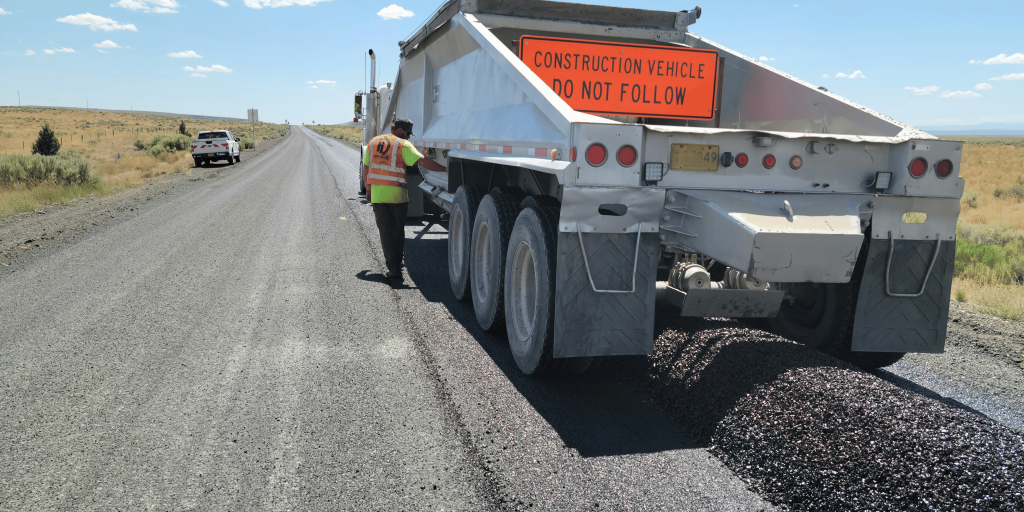
In the United States, asphalt paving is among the most widely used and reasonably priced options for road surfaces, parking lots, and driveways. Nevertheless, thorough preparation prior to the first asphalt drop being poured is crucial to the longevity and success of your asphalt project.
This tutorial will show you how to properly prepare for asphalt paving, whether you’re a contractor overseeing a commercial project or a homeowner designing a new driveway.
Why Proper Preparation is Crucial
Prior to beginning, it’s critical to understand why preparation is so important:
- Boosts Life Expectancy: Asphalt that is prepared well lasts longer and has fewer potholes and cracks.
- Increases Drainage: Water pooling and erosion are prevented with proper grading and base preparation.
- Saves Money: It is far more expensive to fix badly installed asphalt than to do it correctly the first time.
- Increases Curb Appeal: A level, smooth asphalt surface improves the appearance and value of a property.
Step-by-Step Guide to Preparing for Asphalt Paving
Planning the Project
Define the Purpose
First, determine the asphalt surface’s intended use. Is it:
- A driveway in a household?
- A parking lot for the business?
- A private road?
This will establish the necessary materials, thickness, and design.
Verify Local Laws
- For information about zoning and permits, get in touch with the city office or municipality in your area.
- In certain U.S. locations, environmental clearances or stormwater management plans are necessary.
Carefully Consider Your Budget
Obtain quotes from multiple certified pavers and make sure the quote covers everything from base preparation to sealing.

Site Evaluation and Clearing
Inspect the Existing Surface
If you are repaving an old surface, look for:
- Breaks
- Potholes
- Drainage issues
- Vegetation growth
Examine the drainage patterns and soil stability if the installation is new.
Clear the Area
Get rid of:
- Old concrete or asphalt (if applicable)
- Trees, stumps, and bushes
- Both topsoil and debris
You need a spotless, level, and manageable workspace.
Drainage and Grading
Establish the Right Grade
- Water flows away from the asphalt and away from low areas or buildings when the grading is done properly.
- It is usually advised to have a minimum slope of 2%, or 1/4 inch per foot.
- For accurate grading, use laser-guided apparatus.
- If required, install drainage solutions.
Examine:
- French drains
- Catch basins
- Swales’ edge drains
In regions with high levels of precipitation or snowfall (such as the Midwest, Northeast, and Pacific Northwest), drainage is essential.
Subgrade Preparation
What Constitutes Subgrade?
The native soil or compacted material beneath your asphalt’s base layer is called subgrade. A bad subgrade may result in:
- Cracking
- Settling
- Surface failure
Steps to Prep the Subgrade
- Try the Soil: A soil compaction test can be used to verify stability.
- Eliminate the Soft Spots: Use more stable fill in its place, like gravel or crushed stone.
- Packed Tight: Achieve 95% compaction (industry standard) by using plate compactors or vibratory rollers.
Installing the Base Layer
Select the Best Base Material
Your asphalt is structural and is contingent on the base layer. Materials that are typically used are:
- Crushed gravel
- Crushed stone
- Recycled concrete aggregate
Thickness Matters
- Driveways in homes: 4 to 6 inches of compacted base
- Light commercial lots: 6 to 8 inches
- Strength of roads or lot heavy: 8 to12 inches
The more base the better the support.
Compact in Layers
Don’t just dump it all at once.
Instead:
- Spread in 2 to 3-inch layers
- Compact each layer; then add another
- Make sure it is hard and smooth without any depressions
Edge Support
Why Edges Matter
The unsupported edges may either collapse under the weight or under weather. Plan to:
- Install concrete curbing
- Reinforce gravel shoulders
- Landscape with the addition of topsoil and compacted fill
It is also better to have well-supported edges to enhance durability and appearance.
Weed and Erosion Control
Install a Geotextile Fabric
This is a fabric barrier that:
- Prevents weed growth
- Separates soil and base material
- Enhances drainage
It comes in handy especially in places with clay or low drainage soils.
Scheduling and Weather Planning
Pick the Right Season
Late spring to early fall is the most desirable time to pave asphalt in most of the U.S.
Ideal conditions are:
- 50°F to 90°F
- Dry weather
Schedule Accordingly
Pick the Right Season
- Be strategic about planning the project during good weather
- Remember that a rushed base job may be the cause of long-term failures
Final Inspection Before Paving
Before laying the asphalt:
- Walk the entire site
- Test to see whether there are uneven surfaces or puddles
- Confirm with the contractor that he is compacting
- Ensure that equipment is prepared and is available
Base problems are very difficult and costly to correct after asphalt is put down.
Bonus Tips for Homeowners
- Request various quotes from licensed asphalt contractors in your locality.
- Ask about warranty, because most reputable contractors have 1 to 3-year workmanship guarantees.
- Review online websites such as Yelp, Google, or Angi.
- Sealcoating should not be forgotten either, but wait 90 days and then use it to lengthen the life of your new asphalt.