
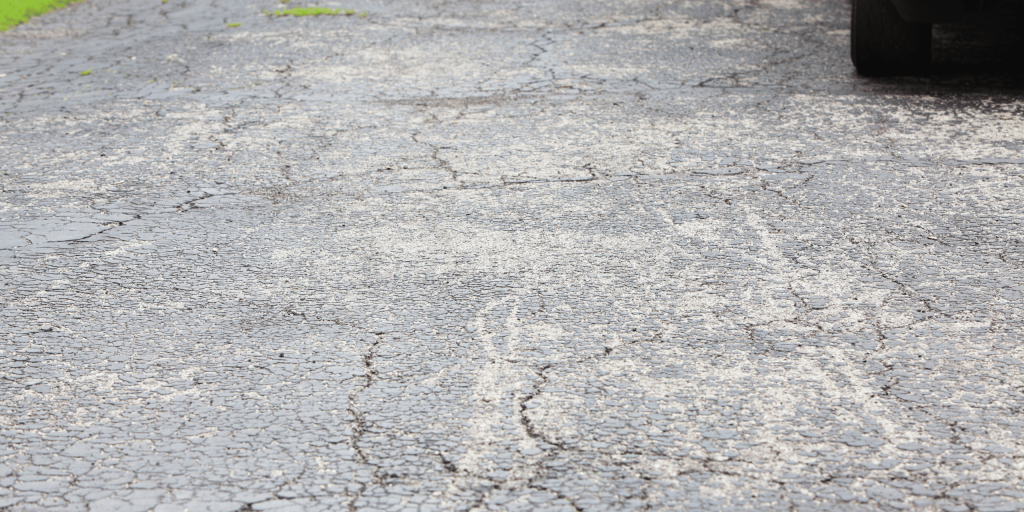
A driveway with moss may make your house appear old, worn down, and undesirable. Moss may render your asphalt driveway oily, unattractive, and it may even decrease the lifespan of your asphalt driveway. Luckily, there are a number of easy, low-cost, and efficient methods of removing moss and ensuring it does not grow back.
In this guide, we’ll walk you through the best methods to get rid of moss on asphalt driveways using both natural and chemical solutions. You’ll also learn how to stop it from returning so your driveway stays clean and safe all year round.
What Causes Moss to Grow on Asphalt Driveways?
To address the problem, we must first understand the reason why moss grows on asphalt in the first place. Moss grows in shady and wet places. If your driveway does not receive adequate sunlight exposure or it has poor drainage, it will retain water, which is the ideal habitat for moss.
Here are the most common causes:
Tree or building shade: Deficiency of sun retards post-rain drying.
Poor drainage: Water gathers in small depressions or cracks.
Cool and damp climate: Moss prefers cool climatic conditions and always stays moist.
Organic debris: Leaves, dirt, and other debris entrap moisture on the surface.
The cause will also guide you to use the most efficient way of cleaning to avoid future growth.
Why You Should Remove Moss from Your Driveway
Moss might seem harmless, but leaving it untreated can lead to serious problems:
Safety hazards: Moss causes the surface to be slippery which can be dangerous.
Damage to asphalt: Moss roots may undermine asphalt after some time, creating cracks and potholes.
Curb appeal: Your mossy driveway sends the impression that your house is abandoned.
Expensive repairs: The more time moss remains, the more it is likely to damage asphalt, resulting in costly repairs in the future.
Your driveway should be maintained regularly to ensure that it is safe, clean, and long lasting.
Step-by-Step Methods to Remove Moss from Asphalt Driveways
Below are both natural home remedies and effective commercial remedies:
Manual Removal
If you don’t have a lot of moss, begin by removing it manually.
What you’ll need:
- Hard-bristled brush or broom
- Pressure washer or garden hose
- Safety gloves and nose masks
Steps:
Sweep off loose moss: Sweep off as much moss as you can with a stiff broom.
Clean the surface: Scrub the stubborn areas with a brush and warm water.
Rinse thoroughly: Rinse the area with a garden hose or low-pressure washer.
This is a basic and environmentally friendly approach, though you might be required to repeat the procedure if moss grows back.
Vinegar Solution (Natural Method)
The safest and most natural method of killing moss is by using white vinegar; it will not damage your asphalt or surrounding plants.
What you’ll need:
- White vinegar
- Water
- Spray bottle or garden sprayer
- Scrub brush
Steps:
Mix the solution: Add water and white vinegar in a spray bottle in equal amounts
Spray on moss: Apply the mixture onto the moss with the sprayed solution
Let it sit: The solution should be left to rest for 15-20 minutes so that the vinegar can kill the moss
Scrub and rinse: Brush off the dead moss and rinse with water
Tip: Vinegar can be used in full strength rather than diluted if you have extreme moss growth.
Baking Soda Treatment
Baking soda increases the pH level, and thus, makes moss more difficult to grow.
What you’ll need:
- Baking soda
- Water
- Brush or broom
Steps:
Sprinkle baking soda: Spray a liberal amount straight onto the mossy spots
Leave overnight: Leave it on; it’s ok if it dries
Brush and rinse: Scrub off the dead moss and rinse off with water
This is a safe and inexpensive technique, and it is suitable when the moss area is small.
Bleach Solution (Stubborn Moss)
If natural remedies do not work, deep-rooted moss can be effectively killed by bleach. But be careful because it may kill other plants and discolor other surfaces.
What you’ll need:
- Household bleach
- Water
- Spray bottle
- Gloves and protective gear
Steps:
Mix solution: Concoct a mixture of one part bleach and four parts of water
Apply to moss: Apply to the mossy areas
Wait 15-20 minutes: Leave it so that the bleach will absorb
Scrub and rinse thoroughly: Scrub off with a stiff brush followed by a lot of water to rinse it thoroughly
Tip: Do not use too much bleach because it can destroy asphalt with time.
Pressure Washing
One of the best tools to use in moss removal—particularly in bigger driveways—is a pressure washer.
What you’ll need:
- Pressure washer
- Detergent (or moss-specific cleaner)
- Safety goggles and gloves
Steps:
Install the washer: Turn the medium pressure on to prevent destroying the asphalt
Apply evenly: Spray in small parts on a 45-degree angle
Wash/rinse: After all the moss has been taken away, wash off the whole driveway with water
Even deep-rooted moss can be removed through pressure washing but it must be done once or twice a year so as not to wear the surface.
Preventing Moss from Coming Back
Once you have washed your driveway, prevention is the best tip. These smart maintenance solutions will keep moss at bay.
Improve Sunlight and Airflow
Prune shrubs and trees which shade the sun. Improved air flow will ensure that the driveway dries sooner than usual after rainfall, and this will make it difficult for moss to grow.
Ensure Proper Drainage
In case of low spots or bad drainage on your drive way, correct them. Pooling of water promotes the growth of moss.
You can:
- Seal cracks or holes with patching asphalt
- Cover areas that are water collectors
Regular Cleaning
Clean your driveway often to get leaves, dirt, and other particles that retain moisture. A clean surface will dry quicker so moss will not grow.
Apply a Moss Preventative
Seek a driveway moss-killer or algaecide. These products form a layer to avoid the rooting of moss spores.
Seal Your Asphalt Driveway
A sealcoat will not only enhance the appearance of your driveway, but it will also preserve your driveway to prevent against moisture and moss. Apply a sealcoat every 2-3 years. A smooth surface is less rough with no crevices for moss to grow.
Environmentally Friendly Alternatives
Natural moss control measures are the best, especially if you are worried that chemicals will run into your lawn or garden.
The following are some green tips:
- Substitute bleach with vinegar or baking soda.
- Wash with water and do not use high chemical-detergent.
- Gather and recycle moss litter rather than washing it into storm sewers.