

Maintaining a visually pleasing block-paved patio or driveway requires attention, particularly when it comes to controlling weeds that infiltrate between the stones. Using salt to get rid of weeds is one of the most popular home remedies that many people support. But is this method of using salt effective, and is it safe to use on block pavement and the outdoor environment? Let’s see!
Understanding Weeds in Block Paving
Since they are positioned between pavement blocks, the soil, water, and sunlight in the cracks are ideal for weed growth. Dandelions, clovers, and different grasses are among the worst weeds that can grow in the gaps. These weeds need to be cleaned frequently to prevent the development of root systems that would make it difficult to restore the block paving because they can grow easily between the spaces between the pavements.
The Science Behind Salt as a Weed Killer
It is well known that plants can die from dehydration caused by salt, particularly sodium chloride. The salt’s negative effects on some plant cellular functions make it an easy way to get rid of weeds. However, there are a few things to consider when applying salt to block pavements to get rid of weeds.
Effectiveness of Salt
Immediate result: Salt effectively eradicates existing weeds as soon as it is applied in sufficient amounts. Within three to four days of the application, the weeds will usually die.
Soil Contamination: Although salt can be used to suppress weeds, it actually hinders plant growth by making the soil more salinized. The remaining seeds or roots will struggle to thrive and the weeds don’t grow again easily.
Negative Effects of Using Salt
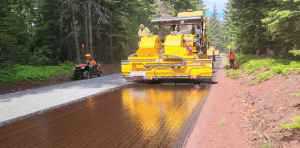
Joint and gap erosion: Another issue is the buildup of salt on the block paving’s surface, which causes joint and gap erosion. Salt may seep into the mortar’s joints, lowering its quality and the quality of paving stone pavements, depending on the type of construction and potential weather conditions.
Environmental implications: Salt spills have the potential to contaminate nearby ground and water supplies, which is harmful to local plants and animals. Pets may also be affected, particularly if they come into touch with the treated salts.
Temporary Remedies: However, even though using salt kills weeds, it does not prevent the weeds from growing again once the salt has been rinsed off. Since several applications can be necessary to guarantee that the condition relents, this is frequently done to lessen the impacts.
Salt Substitutes for Weed Control
There are various suggested substitutes for salt because it has certain drawbacks. In the following ways, these techniques have been shown to be safer for both your paving and the environment.
Mechanical Removal
Despite being a laborious process that requires the use of hands, pulling weeds by hand or with a weeding tool also works well. Because it gets rid of weeds before they have seeds, weeding can be done frequently.
Power Tools: To get rid of weeds and trash without using chemicals, use a power washer or a block paving sweeper on big surface areas, like concrete blocks for pavements.
Herbicides Made Naturally
Vinegar: White vinegar, particularly that with high acetic acid content, can get rid of herbs. Compared to common salt, this product is safe for the environment, but it is effective at killing off immature weeds.
Boiling water: Since boiling water will kill weeds, it also works well after it is poured over them. Although this method is rapid and effective, there is a slight chance that it will miss stray flames and burn other plants nearby or underneath the ones that are to be burned.
Herbicides: Another option is to use selective herbicides, which are products that are meant to get rid of weeds only, without damaging grass or paving constructions. To prevent negative consequences, always follow the manufacturer’s recommended usage instructions when using the product. These have a low frequency of application and have long-lasting effects. They target weed seeds both above and below ground. In areas where weed growth is likely to occur, they are particularly well suited.
Long-term Preventative Measures
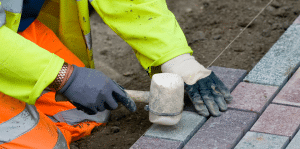
Sealing: In order to prevent invasive weeds from growing in the spaces between the corridors, occasionally apply sealer to the block paved area’s surface.
Appropriate Drainage: You can prevent the surface to be damp by giving the block paving system enough drainage to prevent the weeds to grow.