
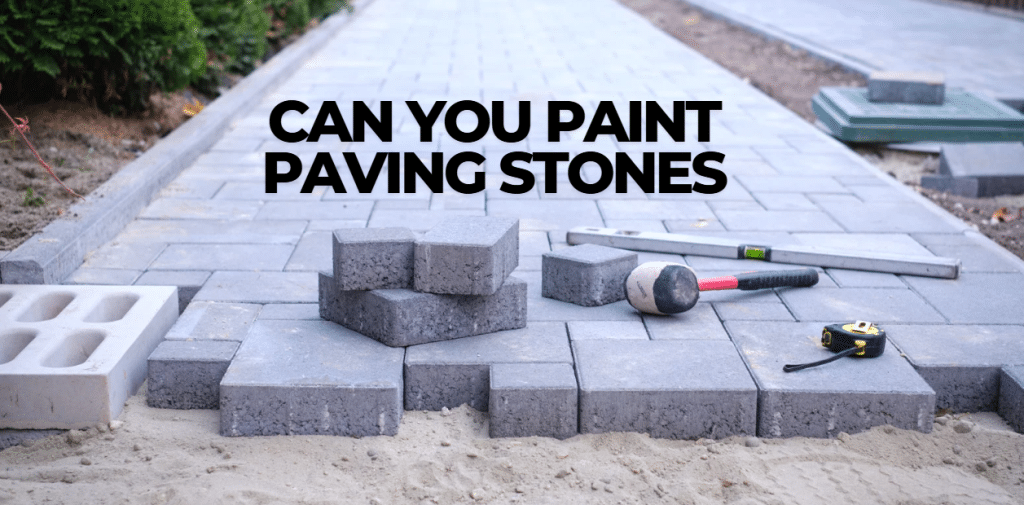
Paving stones have become increasingly more popular for creating stunning surface patterns in yards, courtyards, and driveways. Many homeowners often choose these materials for their home design because they provide an attractive appearance along with long-lasting durability for the exterior of a residence. Even though paving stones come in a variety of natural colors and textures, some individuals might wonder whether it’s feasible to paint them to match personal designs. This article explores the feasibility of painting paving stones discussing the pros and cons, the types of paint suitable for the task, and the best methods for achieving a successful finish.
Is It Possible to Paint Paving Stones?
Yes, it is possible to paint paving stones, but its effectiveness hinges on several key factors. The material used for laying the pavers presents some challenges when it comes to painting, as it is porous and absorbent by nature. Over time, whether it’s a matter of years or just a few months, painted paving stones can start to show signs of wear. You might notice peeling, scratching, or blurring, particularly in areas that see a lot of foot traffic or are exposed to tough weather conditions. With the right preparation and materials, you can achieve a durable and vibrant color.
Benefits of Painting Paving Stones
Versatility: One of the standout features of paving stones is its versatility, allowing individuals to paint the paving stones in their preferred style or color. Depending on how creative you want to get, it is possible to turn a dull path into an attractive focal point or use the stones to complement the exterior of the house.
Revitalization: Paving stones can often become stained, weathered, or damaged in some spots. A fresh coat of paint can breathe new life into them, eliminating the need to consider replacement.
Embracing Creativity: No matter the design or visual appeal of the garden pathway, or simply when aiming to make a bold statement in the backyard, painting serves as a powerful outlet for artistic expression.
Affordable: Painting is a more affordable option than replacing paving stones, and thus, is a recommended way of improving the outdoor decor.
Drawbacks to Consider
Endurance: Stone that has been colored may not be as durable as the original since it cannot withstand increased traffic or severe weather.
Maintenance: These prep-for-paving stones might need additional cleaning and upkeep to maintain their paint, and you may wish to apply a sealer for protection.
Paint Surface Preparation: When it comes to painting, the effort you put in truly influences the outcome. Achieving the best results depends on preparing the surface that will be painted.
Color Constraints: Due to the nature of paints, some colors and patterns of natural stone cannot be made to match exactly.
Choosing the Right Paint
The type of paint used requires forethought and due diligence because you want your painted paving stones to last for many years.
The following are some possible strategies:
Acrylic Latex Paint: Acrylic latex paint is a popular choice for painting paving stones. Acrylic latex paint offers a strong and reliable bond to porous surfaces, showcasing impressive durability against the elements.
Epoxy Paint: Epoxy paint stands out as a top choice for those seeking a durable and traffic-resistant coating. Its popularity stems from its exceptional performance in demanding environments.
Concrete Paint: It’s ideal for concrete and masonry type of surfaces and can effectively be used on paving stones. It still provides useful contact and dimensional stability.
Outdoor Masonry Paint: This type of paint is specifically formulated for exterior surfaces, offering UV protection and the option for painters to enhance flexibility.

Painting Process
Once your paving stones have been prepared, the next thing to do is to paint them.
Here’s a step-by-step guide:
Surrounding Area Cover: Use painter’s tape and drop cloths to cover plants, walls, and other adjacent objects from paint splashes and spatters.
Choose Your Colors: Decide on the colors you wish to use. When working with a multi-colored design, using painter’s tape can be a great way to create clean lines and define areas that will be painted in specific colors.
Apply the First Layer: The initial coat of paint can be applied using a brush, roller, or by utilizing a sprayer. A sprayer is perfect for achieving an even coat on a surface, though it may require some patience to prevent drips and uneven spots.
Allow to Dry: Follow the recommended drying time that is provided by the specific paint makers. Each coat has to be applied and allowed to dry before the next coating.
Extra Coats: Based on the desired color and opacity, applying additional layers or coats of paint is recommended. Gently rub the surface between coats to achieve a smooth finish.
Color Fading: To enhance the protective capability of the paint, apply a coat of clear masonry sealer once the final coat dries. Paying attention to the manufacturer’s instructions for the sealer is crucial, especially concerning its application and drying time.